
 En
Modern production lines require coordinated control across thermal equipment, processes, and auxiliary systems rather than isolated equipment operation.
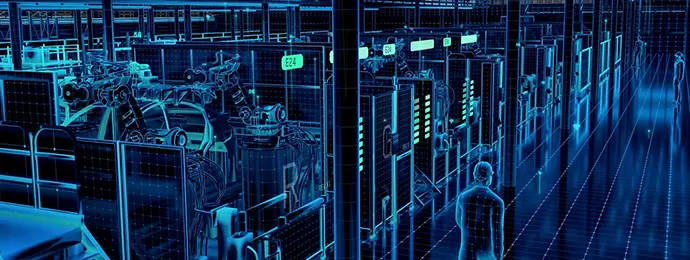
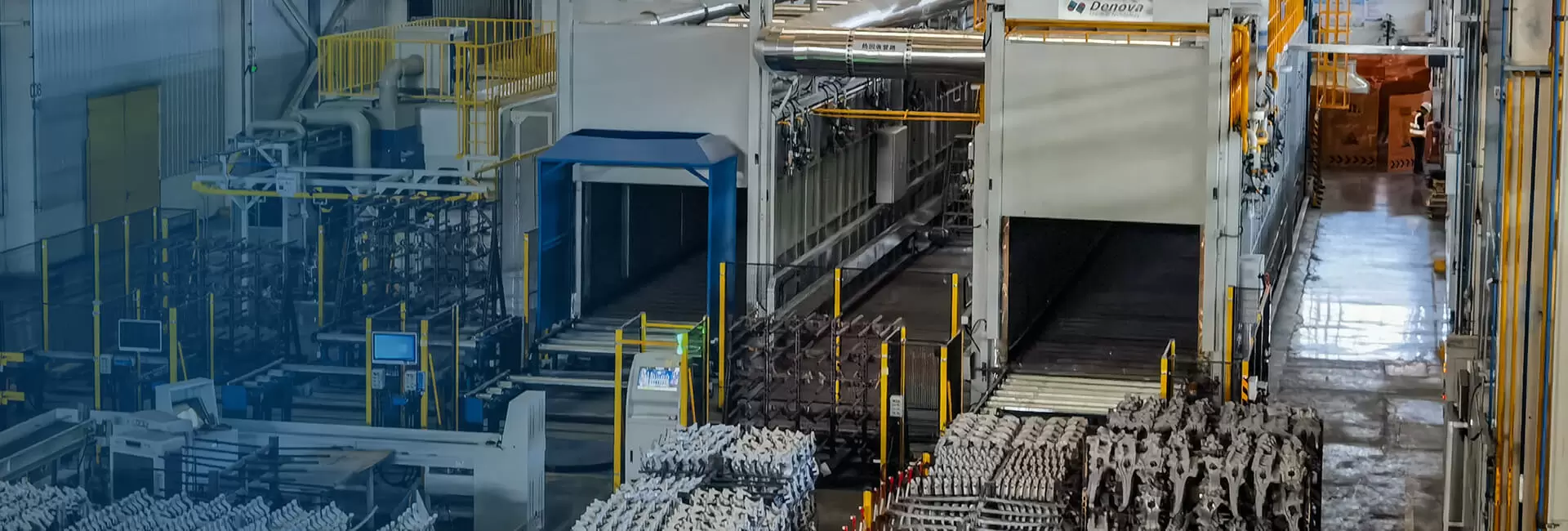
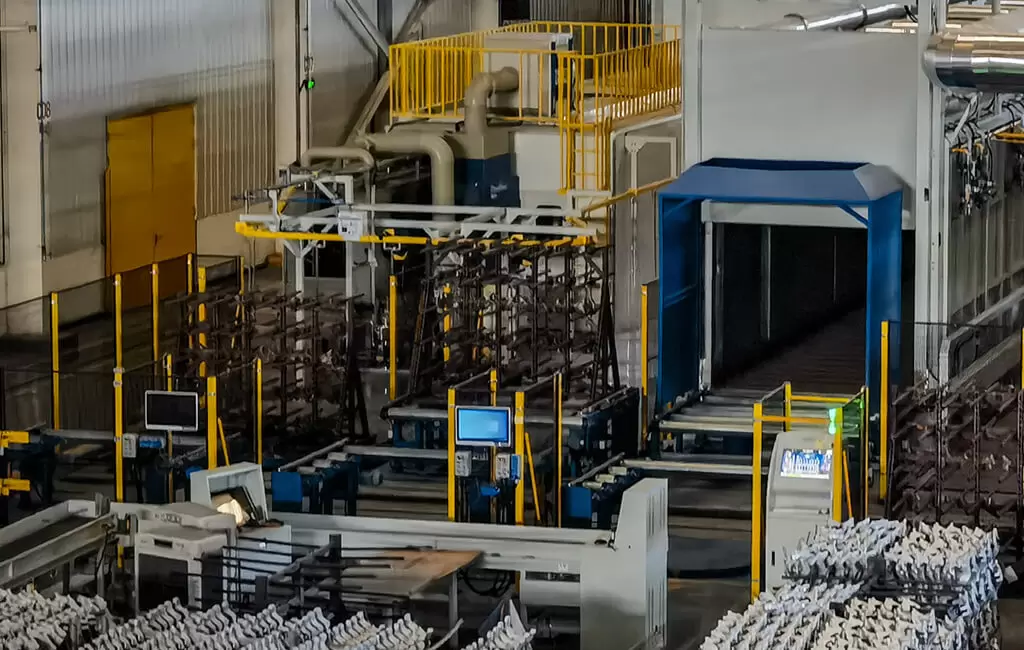
Integrated Thermal Solutions for Aluminum and Other Non-Ferrous Metal Manufacturing
Denova provides one-stop integrated thermal solutions covering the entire project lifecycle, from engineering and manufacturing to system integration and final delivery, with turnkey capabilities tailored to specific project requirements. Our scope extends beyond core thermal equipment to include supporting systems for emissions control, fume extraction, and dust collection, together with operator training, after-sales support, and maintenance services.
By optimizing equipment, processes, energy utilization, and auxiliary systems as an integrated whole, Denova helps customers reduce energy and material consumption, enhance operational safety and system reliability, and lower the total cost of ownership ? ultimately improving long-term return on investment. Safety, energy efficiency, environmental performance, and reliability are embedded throughout our system design and project execution, enabling stable, efficient, and sustainable manufacturing operations over the long term.
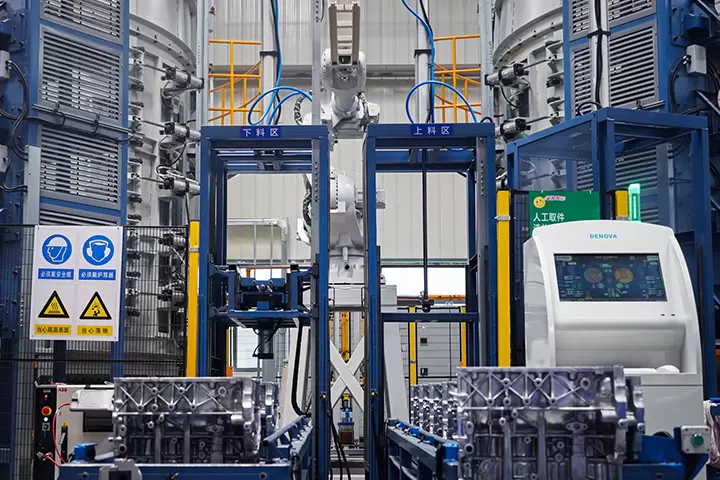
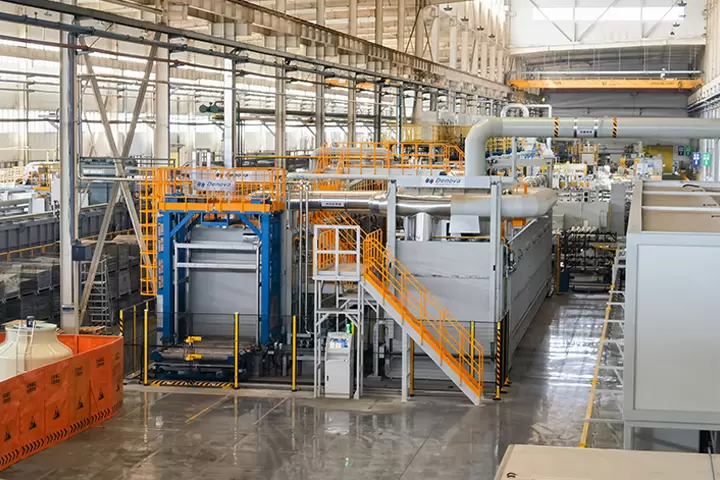
Modern Non-Ferrous Metal Manufacturing Demands More Than Standalone Equipment
The development of lightweight structures, large-scale die casting, and high-performance aluminum and other non-ferrous metal components is placing greater demands on thermal processes. Manufacturers increasingly need integrated systems that deliver higher efficiency, stable performance, safer operation, and stronger lifecycle value.
Modern production lines require coordinated control across thermal equipment, processes, and auxiliary systems rather than isolated equipment operation.
Rising energy and material costs are driving demand for higher thermal efficiency, lower metal loss, and more efficient resource utilization.
High-temperature manufacturing requires robust operational safety together with effective emissions, fume, and dust control.
Manufacturers increasingly evaluate thermal systems not only by initial investment, but also by long-term reliability, operating costs, maintenance requirements, and total cost of ownership.
From Equipment Supply to Integrated Thermal Systems
Denova responds to evolving manufacturing demands with an integrated approach that brings together equipment engineering, process expertise, system integration, and customized project design. Rather than optimizing individual machines in isolation, we consider the thermal process as a complete system – coordinating core equipment, auxiliary systems, energy utilization, process control, and production requirements to achieve better overall performance.
Denova provides production-line-level thermal system integration for aluminum and other non-ferrous metal manufacturing, covering critical thermal processes across molten metal supply and component heat treatment, including molten metal preparation, refining, transfer, and precise dosing. With extensive engineering experience in aluminum processing and die casting applications, we are particularly well positioned to integrate multiple thermal processes into safe, efficient, and reliable production systems.


e.g. Die Casting

SOLUTION 02HEAT TREATMENT SOLUTION

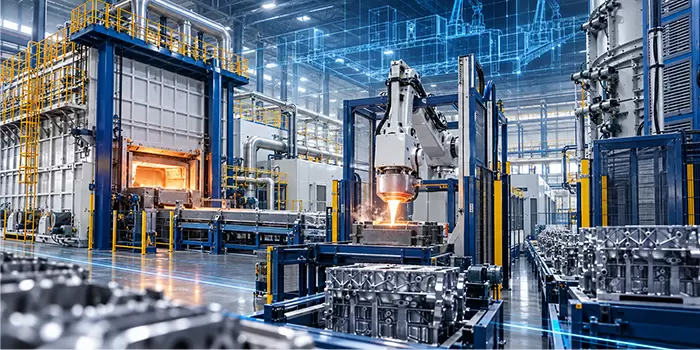
Integrated molten aluminum supply from melting and refining to transfer and precision dosing, ensuring stable quality, reliable operation and lower process losses.
Learn More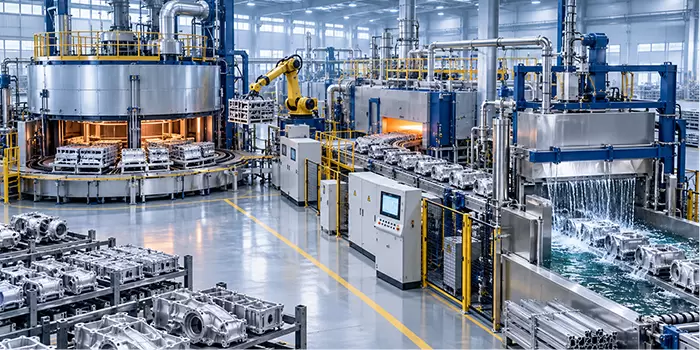
Denova provides customized heat treatment solutions for aluminum and other non-ferrous metal components, with extensive engineering experience in aluminum alloy applications.
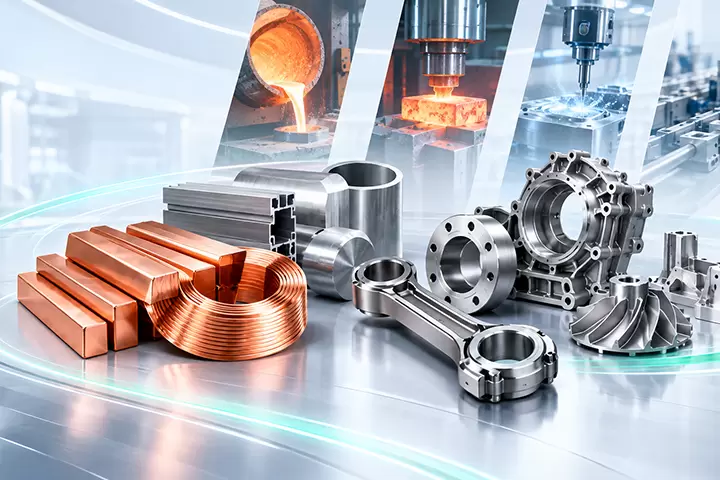
Learn MoreDenova?s thermal engineering capabilities extend beyond aluminum and die casting. We also develop solutions for other non-ferrous metals and a wider range of manufacturing processes, including forging and other metal-forming applications. Based on specific materials, processes, production capacities, and plant conditions, our engineering team can develop tailored thermal solutions for different manufacturing requirements.
Beyond one-stop integrated systems and turnkey projects, Denova also provides spare parts, operator training, maintenance, and technical support to support customers throughout the equipment lifecycle.
If your material, process, or application is not listed above, talk to our engineering team to explore a solution tailored to your production needs.
From project initiation to stable operation, Denova follows a structured project delivery process covering engineering, manufacturing, shipment, commissioning, and ongoing technical support. Through close coordination across each stage, we help ensure that every system is delivered in line with project requirements and ready for reliable operation.

Project objectives, technical requirements, application conditions, scope of supply, and key milestones are reviewed and defined to establish a clear basis for project execution.

The project team aligns on technical interfaces, schedules, responsibilities, communication mechanisms, and delivery requirements to ensure coordinated project execution.

Mechanical systems and equipment structures are engineered according to process requirements, production capacity, plant layout, operating conditions, and customer-specific needs.

Electrical systems, control logic, automation functions, safety interlocks, and equipment interfaces are designed to support reliable and coordinated system operation.

Materials, components, purchased parts, and key equipment are prepared and verified according to the approved design and project schedule.

Equipment is manufactured and assembled in accordance with approved technical specifications, with quality control implemented throughout key production stages.
After completion of production and pre-shipment preparation, equipment is packaged and arranged for transportation according to project and site requirements.
Denova supports equipment installation, commissioning, system optimization, and functional verification at the project site, helping the equipment reach the required operating condition.

Following commissioning, Denova continues to provide technical support, spare parts, maintenance guidance, and operator training where required to support reliable long-term operation.